
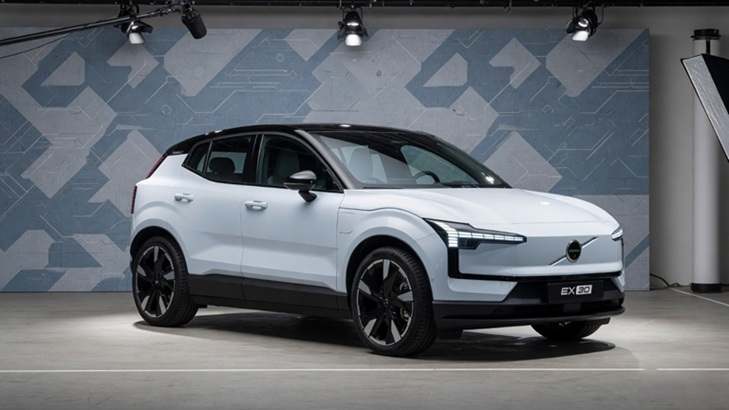
Volvo is not abandoning the affordable electric vehicle segment in America. Instead, the Swedish automaker is executing a calculated pivot. After deciding to discontinue the EX30 compact SUV in the United States after the 2026 model year, Volvo has confirmed plans for a new, larger affordable EV that will arrive next year and target a similar price point.
This move reflects the harsh realities of the current US EV market — tariffs, shifting incentives, and the need for models that deliver stronger margins and broader appeal. It also signals Volvo’s determination to stay relevant in one of the world’s most important auto markets.
The EX30 was supposed to be Volvo’s breakthrough affordable EV. Launched with bold styling, strong performance, and a starting price originally aimed near $35,000, it represented the brand’s push into the high-volume segment. However, several headwinds made its US future untenable.
Chief among them were tariffs. Because the EX30 is built in China, new trade measures significantly increased its landed cost in the United States. Combined with changes to federal EV tax credits and softer-than-expected demand, the economics no longer worked. Volvo informed dealers that the EX30 and EX30 Cross Country would be discontinued in the US after the 2026 model year. Remaining orders are being fulfilled, but production for the American market is winding down.
The model will continue in other markets, including Canada and Mexico, where the tariff impact and regulatory environment differ. This selective withdrawal highlights how country-specific policies are forcing automakers to make difficult, market-by-market decisions.
| Trim | Starting MSRP (approx.) | Drivetrain | Horsepower | Est. Range (miles) |
|---|---|---|---|---|
| EX30 Plus | $40,345 | Single Motor RWD | 268 hp | Up to 261 |
| EX30 Ultra | $48,045 | Twin Motor AWD | 422 hp | ~253 |
| EX30 Cross Country | ~$49,545 | Twin Motor AWD | 422 hp | ~227 |
| Original Target | ~$35,000 | Single Motor | — | 265+ |
The Replacement Plan
In recent comments, Luis Rezende, President of Volvo Cars America, confirmed the company is already working on a successor. The new vehicle will not match the EX30’s exact dimensions or price, but it will land in a “very similar” price range while offering more space.
Key points from the announcement:
- Larger footprint than the EX30, likely improving interior room, cargo capacity, and family appeal.
- Similar price positioning to keep it accessible.
- Targeted arrival next year (2027 model year timing expected).
This is not a simple rebadging exercise. Volvo appears to be using the experience with the EX30 to develop a more US-optimized product. A slightly larger vehicle could better align with American buyer preferences for space while potentially improving profitability through higher transaction prices and better content.
Industry observers note that moving up slightly in size often helps with regulatory compliance, crash ratings, and perceived value — all critical factors in the competitive US market.
Affordable EV Starting Price
| Model | Approx. Starting Price |
|---|---|
| Volvo EX30 | ~$40,345+ |
| Hyundai Kona Electric | ~$35,000 |
| Kia Niro EV | ~$36,000 |
| Chevrolet Equinox EV | ~$34,000–$35,000 |
| Upcoming Chevy Bolt (2027) | ~$29,000–$33,000 |
What This Says About the US Affordable EV Challenge
Volvo’s decision underscores a broader truth: bringing truly affordable EVs to the United States remains extremely difficult in 2026.
Tariffs on Chinese-made vehicles and components have raised costs across the board. The expiration or reduction of federal purchase incentives has removed a key lever that previously helped lower effective prices. At the same time, consumers continue to demand more range, faster charging, and premium features even in lower-priced models.
Many legacy and startup automakers have scaled back or delayed entry-level EV plans for similar reasons. Volvo’s approach — acknowledge the problem, exit the current model, and return with a better-calibrated product — may prove more sustainable than simply persisting with an unprofitable offering.
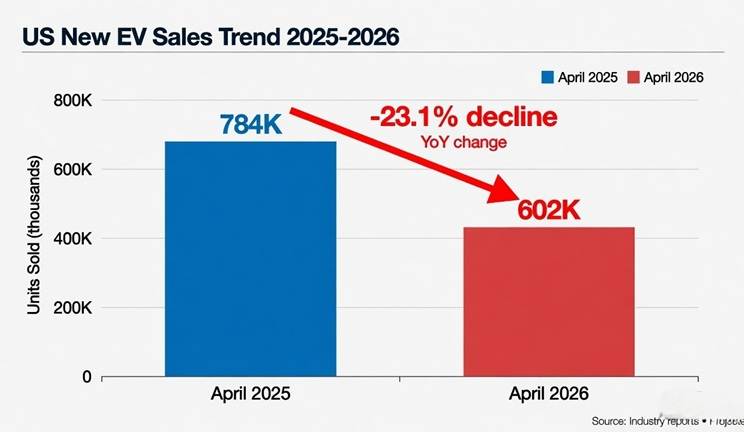
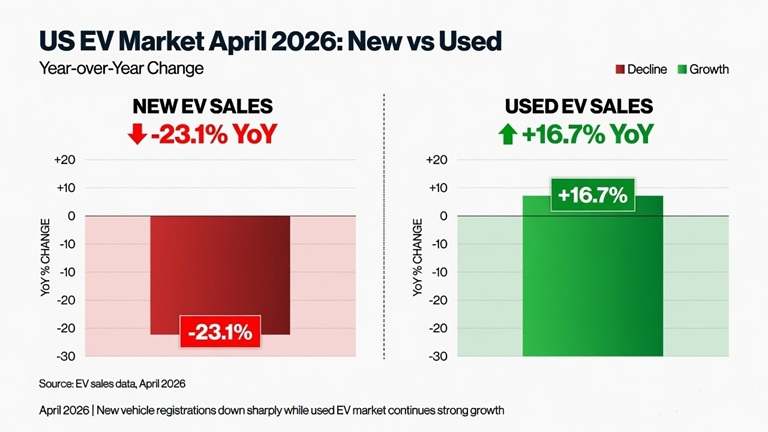
The timing also coincides with interesting market dynamics. While new EV sales have cooled in recent months, used EV sales are surging, and consumer consideration for electric vehicles is actually rising in response to elevated gasoline prices. This suggests underlying demand exists, but it must be met with the right product at the right price.
Importantly, Volvo is not retreating from electric vehicles in America. Higher-end models such as the EX60 and EX90 continue, with the EX60 recently debuting in the US with strong range claims and NACS charging support. The brand is also enhancing its existing electric lineup for 2026.
By replacing the EX30 with a more suitable vehicle rather than abandoning the segment, Volvo is demonstrating pragmatic commitment. The company appears focused on building a balanced portfolio: accessible EVs for volume alongside premium models that protect brand positioning and margins.
This strategy aligns with what many analysts expect from successful automakers in the current environment — disciplined product planning, realistic pricing, and willingness to adjust quickly when market conditions change. Buyers interested in the EX30 still have time to purchase 2026 models while inventory lasts. Those waiting for the successor should monitor Volvo’s communications later this year and into 2027 for more concrete specifications and pricing.
Volvo’s move is a clear example of an automaker reading the room. Rather than forcing a product that no longer fits the US reality, the company is repositioning for a stronger return. In a market where affordability remains the biggest barrier to wider EV adoption, this kind of strategic flexibility could ultimately serve both the brand and American buyers better than stubborn persistence. The affordable EV segment in the United States is still evolving. Volvo’s latest chapter shows that smart adaptation, not just ambition, will determine who succeeds in it.
Related Post


