
If you’ve been watching the Elon Musk news ticker, you heard it: the Tesla CEO said he wouldn’t repeat his recent foray into politics and “government efficiency” work. On a podcast this week, Musk reflected on the time he spent on what he dubbed the “Department of Government Efficiency” (DOGE) and said he should have stayed heads‑down on his companies instead.
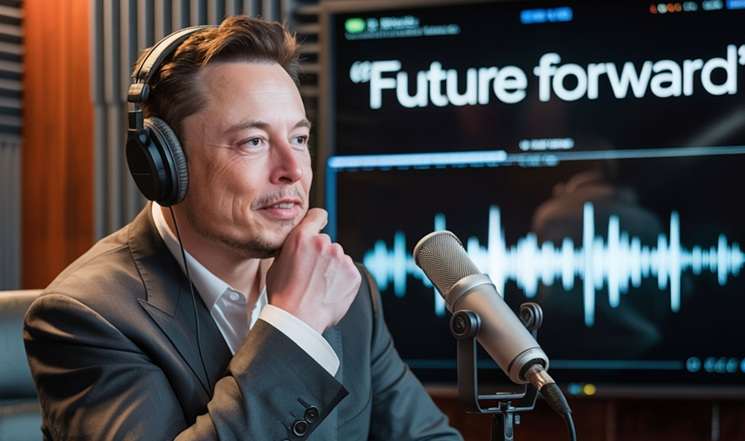
He’s saying the political detour wasn’t worth it — and he’s signaling a return to product, execution, and customers.
Tesla’s brand momentum has faced headwinds as Musk’s political commentary grabbed headlines. A refocus could steady the ship with mainstream shoppers and big-fleet buyers. Tesla wins when it launches great products and nails service. That’s the lane Musk says he plans to re‑enter. EV shoppers are more price‑sensitive than ever. Clear messaging and fewer distractions could help Tesla in an increasingly competitive market.
On the podcast, Musk called his DOGE effort “somewhat successful,” but also admitted he wouldn’t do it again. He previously talked up the idea that sweeping cuts could save the U.S. government trillions. Budget experts across the aisle have long argued those numbers weren’t realistic, pointing out that most federal spending is mandatory and not easily trimmed.
Musk also suggested that if he’d spent that time on his companies, “they wouldn’t have been burning the cars,” a reference to protests that have hit Tesla events in various countries. Regardless of the exact scope of those protests, the message was clear: he believes a tighter focus on the core business might have prevented some of the blowback.
Claims, pushback, and likely impact
| Topic | Musk’s position/quote | Independent/critic view | Likely business impact |
|---|---|---|---|
| “Department of Government Efficiency” time | “Somewhat successful… wouldn’t do it again.” | Analysts say the project was informal and results hard to verify. | Refocus on products, operations, and service could stabilize sentiment. |
| Federal budget “trillions in savings” | Earlier claim of massive savings potential. | Budget experts widely called this unrealistic given mandatory spending. | Walking back the detour may reduce controversy, restore investor confidence. |
| Effect on Tesla brand | Implies the political detour distracted from the business. | Multiple surveys show softer brand sentiment amid public controversies. | Clearer product roadmap and pricing could re‑engage fence‑sitters. |
| Protests and public perception | “If I’d worked on my companies, they wouldn’t have been burning the cars.” | Protests have occurred; scale and causes vary by country/event. | De-escalation and customer-first moves may ease tensions over time. |
Earlier this year, Musk took on an informal advisory role outside government, branding his effort “DOGE.” He floated large potential savings from cutting “waste,” a claim budget experts disputed. The online back‑and‑forth bled into Tesla’s day-to-day narrative. While Tesla remains a major EV player, its brand conversation shifted from products to politics more often than shareholders — and many customers — would prefer. On this week’s podcast, Musk effectively said the quiet part out loud: the time would have been better spent shipping and supporting products.
For everyday buyers, this isn’t about Washington — it’s about whether the next Tesla is priced right, charges fast, feels well‑built, and gets serviced quickly if something goes wrong. That’s it. To win those buyers back, the company will need to hit a few basics hard:
- Product and pricing clarity
- Transparent trims and simpler option packs
- Stable, easy-to-understand pricing vs. frequent swings
- Ownership experience
- Faster service appointments and parts availability
- Clear warranty communication and goodwill repairs when appropriate
- Communication reset
- Put engineers and product leaders out front
- Use social posts to inform, not inflame
A CEO recommitment to operations is usually a positive signal. Expect scrutiny on deliveries, margins, and inventory as proof points. Watch software take‑rate (FSD features, subscriptions), charging revenue, and new‑model cadence. Those are levers Tesla can control without political headlines. A single interview doesn’t equal a full reset. Consistency over quarters — not days — will determine whether sentiment actually turns.
Glad to hear the self‑assessment; want Musk focused on execution and next‑gen products. Waiting for actions to match words; want fewer polarizing posts and more product updates, recalls addressed swiftly, and clearer timelines. EV competition is rising. A steadier Tesla makes the whole market healthier — sharper pricing, better software, better service across the board.
There’s a reason most CEOs stay out of wedge issues. Even if you connect with one group, you can alienate another, and the negatives often outweigh the positives. The safer play is to speak on topics squarely tied to your company’s mission — safety, product quality, innovation, fair competition — and leave the rest to the pundits.
Musk says he wouldn’t repeat his DOGE detour and should’ve focused on his companies. The big budget-savings claims drew heavy skepticism from budget experts. Tesla’s brand has felt the strain; several surveys point to cooling sentiment. A sustained pivot to product, pricing, and service is the fastest path to winning back mainstream buyers.
It’s that he acknowledged the costs of a political detour and said he’d do it differently. That’s a start. If the next few quarters are all about products, pricing, and people — and less about politics — Tesla can regain momentum with everyday American buyers who just want a great car at a fair price and a service center that picks up the phone. Actions, not interviews, will tell the real story.
Related Post


