
If there’s one electric car that quietly changed the game in the U.S., it’s the Chevy Bolt. It wasn’t flashy. It wasn’t a luxury status symbol. But it made real EV range affordable for normal people who just wanted a solid daily driver that happened to plug in. The first-generation Bolt EV (and later, the slightly larger Bolt EUV) bowed out after the 2023 model year. That sounded like the end of the road… until GM’s CEO confirmed that a new-generation Bolt is coming back on GM’s Ultium platform.
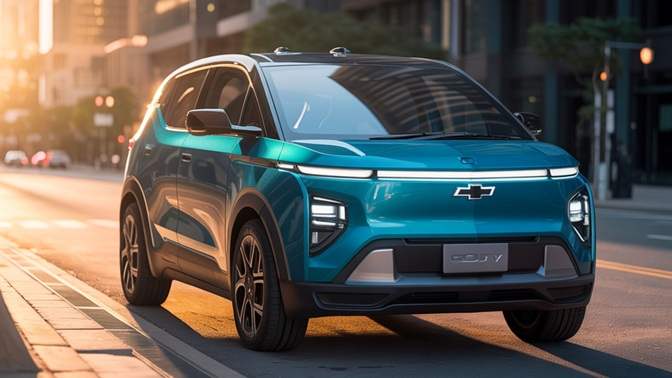
So what might a 2027 Chevy Bolt look like once the reboot has matured a bit? Let’s walk through the likely new redesign, powertrain, interior and tech, specs, release date, important features, and what makes the next-gen Bolt special in the crowded EV world.
As of late 2024, GM has confirmed a next-generation Bolt on the Ultium platform, but has not released full details or a firm model-year. Everything here is based on GM’s public statements, typical development timelines, and where the EV market is headed. Think of this as a well-informed preview of what a 2027 Chevy Bolt is likely to be, not official gospel.
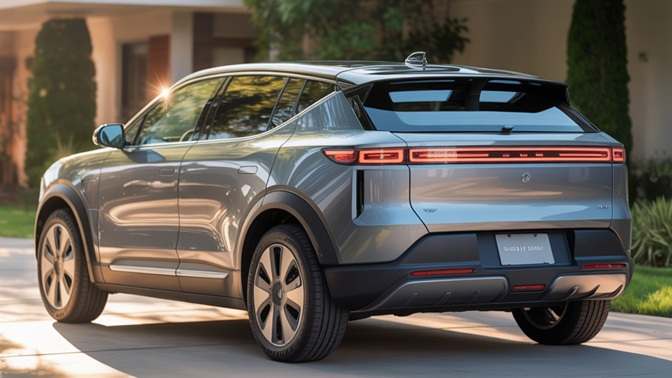
2027 Chevy Bolt New Redesign
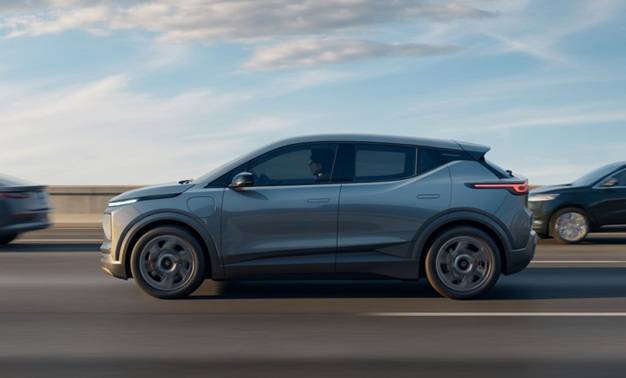
The original Bolt was a tall hatchback that looked a bit like a small MPV. Practical? Absolutely. Cool? Depends who you ask. The 2027 Chevy Bolt new redesign is almost certainly going to lean into what Americans are buying like crazy right now: small crossovers.
Body Style & Overall Look
Expect something that feels more like a:
- Subcompact crossover / small SUV, not just a hatchback
- With a slightly higher ride height and a more squared-off, SUV-like nose
- But still compact enough to:
- Parallel park in the city
- Fit in small garages
- Zip through traffic without feeling like a bus
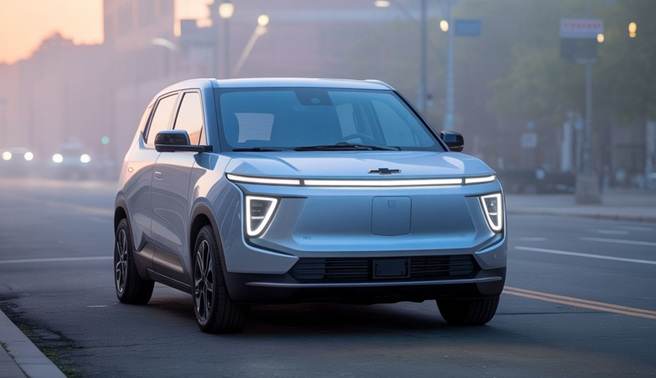
Visually, Chevy will likely give the Bolt:
- Cleaner, more mature lines – less “egg-shaped,” more sculpted
- Slim LED headlights with a light bar across the front
- Bold wheel designs (17–19 inches) that don’t look like budget covers
- Hidden aero tricks: smooth underbody, subtle spoiler, flush-ish door handles
Size and Space
The current Bolt already punches above its weight in interior room. The Ultium platform gives designers a flat floor and more flexibility, so the 2027 Bolt will probably offer:
- Similar exterior length to the outgoing Bolt/Bolt EUV
- Better legroom, especially in the back
- A more squared-off cargo area with:
- Easier loading
- Fold-flat rear seats
- Enough room for a couple suitcases and a Costco run
Chevy knows this car is supposed to be a one-car-does-it-all daily driver, not a toy. The redesign will lean hard into that.
2027 Chevy Bolt Powertrain
Here’s where the biggest change happens. The original Bolt rode on GM’s older BEV2 platform. The new one, including any 2027 model, moves to Ultium—GM’s modular battery and motor system that also underpins the Silverado EV, Blazer EV, Equinox EV, and more.
The outgoing Bolt was front-wheel drive (FWD) only. That’ll probably remain standard, but Ultium makes it easy to:
- Start with a single-motor FWD setup to keep costs low
- Potentially offer an all-wheel drive (AWD) dual-motor version for folks in snow states or who want more shove
If Chevy wants the Bolt to stay the budget-friendly EV champ, expect them to keep things simple:
- Base trims: Single front motor, efficiency-tuned
- Higher trims: Maybe a bit more power and quicker 0–60 times, possibly AWD
Estimated Power & Performance
GM hasn’t published numbers yet, but looking at Ultium-based siblings and the old Bolt, realistic 2027 Chevy Bolt powertrain figures might land around:
- Power:
- 180–220 hp (base)
- Up to 250 hp (higher trims or AWD)
- 0–60 mph (estimates):
- Around 6.5–7.5 seconds for base trims
- Around 6.0 seconds or quicker if Chevy offers a punchier version
Nothing dragstrip-crazy—but totally fine for merging onto the freeway, passing, and the occasional “let me just see what it can do” moment.
Battery Size & Range
Range is where the Bolt has to shine to keep its reputation. The old Bolt EV already delivered 259 miles EPA-rated. A 2027 Ultium-based Bolt will likely target:
- Battery capacity: ~55–70 kWh usable (likely range, not official)
- EPA range estimates: roughly 260–300+ miles depending on trim
Chevy knows there’s a sweet spot for shoppers:
- Enough range that you don’t have to baby it or charge every night
- But not a monster pack that makes the car too heavy and too expensive
Huge Upgrade vs. the Old Car
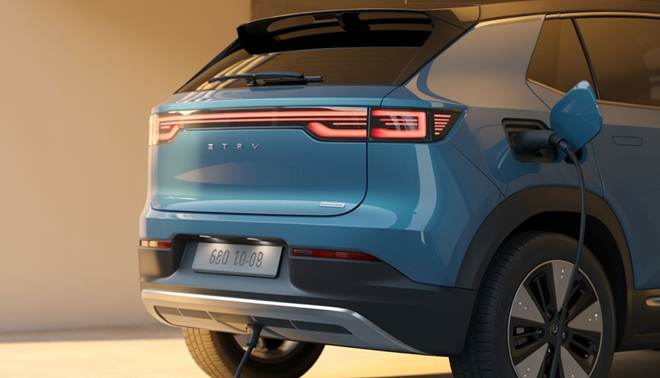
One of the old Bolt’s weak spots? DC fast charging speed. It maxed out around 55 kW, which felt pretty slow by 2020s standards.
With Ultium, expect something far better:
- DC fast charging peak: likely around 120–150 kW on the low end, possibly more
- 10–80% charge time: roughly 30–40 minutes on a compatible fast charger (ballpark)
- Level 2 home charging: around 11 kW, adding:
- ~30–35 miles of range per hour at 240V with a proper home charger
That’s the difference between grabbing enough juice during a coffee stop vs. planning a whole lunch around your charge.
2027 Chevy Bolt Interior and Tech
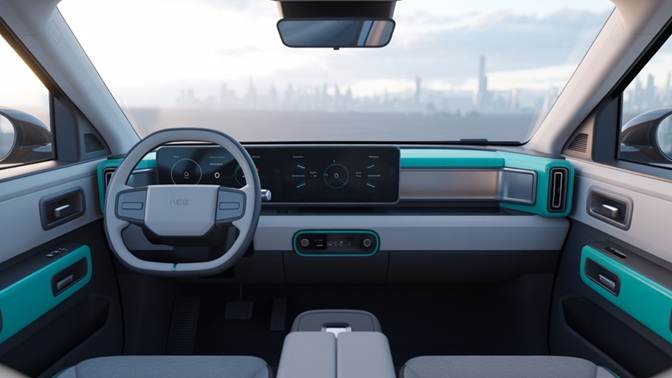
The 2027 Chevy Bolt interior is where GM has a real chance to win people over. EV buyers want tech, but they don’t want to feel like they’re piloting a spaceship every morning before coffee.
Cabin Design & Materials
Expect the new Bolt’s cabin to feel more grown-up and less “budget econobox”:
- Clean dashboard layout with a horizontal design theme
- Soft-touch materials on main touch points: armrests, dash, steering wheel
- Durable fabrics or eco-friendly materials on lower trims
- Optional leather or leatherette on higher trims
Seating will lean into comfort:
- Supportive front buckets with optional heat (and probably ventilation on higher trims)
- Rear seat shaped to actually fit adults for rides across town
- Multiple storage cubbies upfront for phones, keys, snacks, and the usual “stuff”
Screens & Infotainment
Chevy’s newer EVs have made a big leap in screens, and a 2027 Bolt will almost certainly reflect that:
- Digital gauge cluster: about 8–11″ in front of the driver
- Central touchscreen: 11–14″, running the latest GM/Google-based software
Now, here’s the important twist: GM has said their future EVs will drop Apple CarPlay and Android Auto in favor of built-in Google-based services. That likely includes:
- Native Google Maps
- Google Assistant
- Google Play apps for music and media
Love it or hate it, that’s the direction they’re going. Expect:
- Snappy, phone-like responsiveness
- Built-in streaming apps
- Over-the-air software updates
Driver Assistance & Safety Tech
The 2027 Chevy Bolt is meant to be a mass-market, daily driver EV. That means it needs a full bag of safety and driver-assist tricks:
Standard or widely available features will likely include:
- Automatic emergency braking
- Lane-keeping assist and lane departure warning
- Blind-spot monitoring
- Rear cross-traffic alert
- Adaptive cruise control
On higher trims or as part of a package, don’t be surprised to see:
- Super Cruise or its successor (hands-free driving on mapped highways)
- 360-degree surround-view camera
- Enhanced park assist
That’s the kind of tech that makes the daily grind easier, not just flashier.
2027 Chevy Bolt Specs
| Category | 2027 Chevy Bolt (Estimated) |
|---|---|
| Platform | GM Ultium EV platform |
| Drivetrain | FWD standard, possible AWD on higher trims |
| Power | ~180–220 hp (base), up to ~250 hp (higher trims) |
| Torque | ~200–250 lb-ft |
| 0–60 mph | ~6.5–7.5 sec (base), ~6.0 sec (quicker trims) |
| Battery Capacity (usable) | ~55–70 kWh (estimated) |
| EPA Range | ~260–300+ miles (trim-dependent, estimated) |
| DC Fast Charging Peak | ~120–150 kW (likely range) |
| 10–80% DC Charge Time | ~30–40 minutes (on compatible fast charger, estimated) |
| Onboard AC Charging | ~11 kW Level 2 |
| Seating Capacity | 5 passengers |
| Cargo Space (rear seats up) | Likely similar or better than current Bolt EUV (~16–20 cu ft) |
| Wheelbase | Similar to or slightly longer than current Bolt EUV |
| Curb Weight | ~3,700–4,100 lbs (EV typical) |
| Warranty (typical GM EV) | 8-year/100,000-mile battery limited warranty (likely) |
| Base Price (before incentives) | Targeting mid–$30,000s or lower (goal: “affordable EV”) |
2027 Chevy Bolt Release Date
GM has officially confirmed a next-generation Bolt on the Ultium platform. GM leadership has said it will arrive on an “accelerated timeline” compared to a clean-sheet car, because they’ll reuse a lot of existing Ultium components and software.
What we don’t have yet:
- A firm on-sale date
- An officially announced model year
Realistic Timeline
Based on normal development cycles and GM’s statements, a plausible timeline might look like:
- 2025–2026:
- Official reveal of the next-gen Bolt (concept or near-production)
- Production ramp discussed, early specs announced
- Late 2026–2027:
- U.S. on-sale timeframe for a 2026 or 2027 Chevy Bolt
By the 2027 model year, it’s very reasonable to expect:
- A fully launched next-gen Bolt in showrooms
- Initial bugs worked out via early production and over-the-air updates
- Expanded trim choices and options compared to launch
If you’re driving an older Bolt now or planning to jump into your first EV in the late 2020s, the 2027 Bolt is right in that realistic shopping window.
Will the 2027 Chevy Bolt Still Be an “Everyday People” EV?
This is the soul of the Bolt story. If Chevy turns it into a $50,000 tech toy, it misses the point. GM has repeatedly framed the new Bolt as their accessible, mass-market EV. So expect the 2027 Chevy Bolt to aim for:
- Base price: around the low-to-mid $30,000s before incentives
- Well-equipped trims: mid–$30,000s to low–$40,000s
Factor in potential tax credits and state incentives (which will depend on 2027 rules and where it’s built), and it’s very possible many buyers will effectively be in the high $20Ks to low $30Ks out of pocket.
That’s critical if Chevy wants drivers to see the Bolt as:
- A realistic Civic/Corolla/CR-V/RAV4 alternative
- Not just “EV for rich early adopters”
2027 Chevy Bolt Important Features
Fancy concepts are nice, but what will actually make the 2027 Chevy Bolt a great daily driver?
Everyday Practical Features
Expect Chevrolet to stack the Bolt with features that make living with an EV easy:
- Standard one-pedal driving
- Strong regenerative braking that lets you mostly drive with just the accelerator
- Heat pump (likely) for efficient cabin heating in cold weather
- Multiple drive modes:
- Normal / Eco / Sport (and maybe Snow)
- Plenty of USB-C ports and a wireless phone charger
- Split-folding rear seats for flexible cargo space
Infotainment & Connectivity
Key features you can probably count on:
- Large central touchscreen with a simple, tile-based layout
- Voice control via Google Assistant
- Native streaming apps (Spotify, YouTube Music, etc.)
- Over-the-air updates for:
- Bug fixes
- New features
- Possibly small performance or range improvements over time
Safety & Driver Assist
Standard or widely available:
- Forward collision warning
- Automatic emergency braking with pedestrian detection
- Lane departure warning & lane-keep assist
- Blind-spot monitoring
- Rear cross-traffic alert
Available or on higher trims:
- Adaptive cruise with stop-and-go
- Hands-free highway assist (Super Cruise or its successor, depending on GM’s rollout)
- 360° camera system
- Parking assist for tight spaces
Charging & Ownership Features
This is where the Bolt will need to compete not only with other EVs, but with gas cars people are used to:
- Robust home charging support with easy app setup
- Intelligent charging scheduling to:
- Take advantage of cheaper overnight electricity
- Precondition the cabin while still plugged in
- Possible bidirectional charging / vehicle-to-home (V2H) support
- GM is rolling this out in other Ultium vehicles; by 2027 it may be more common
- Use the Bolt as a backup power source for home in emergencies (scenario-dependent)
2027 Chevy Bolt Specialty
With new EVs arriving constantly, what’s the 2027 Chevy Bolt specialty—the thing that makes it worth paying attention to?
1. Still One of the Most Affordable “Real” EVs
There are cheap EVs, and then there are good-value EVs.
The Bolt’s whole mission has been:
- Usable range (200+ real-world miles)
- Normal-car practicality
- Price that doesn’t make you choke on your coffee
If Chevy can keep the price in the mid-$30Ks or below, while delivering Ultium-level range and charging, it’ll stay one of the few EVs regular buyers can realistically cross-shop with mainstream gas cars.
2. Easy to Live With, Not a Science Project
Some EVs feel like you’re beta-testing tech. The Bolt has always been more:
- “Hop in, put it in drive, go to work.”
- No crazy yokes. No wild touch-only controls for everything.
The 2027 Bolt is likely to keep that no-nonsense vibe:
- Familiar controls
- Logical menu layouts
- A driving experience that feels like a good compact crossover… just quieter and smoother
3. Perfect for City + Suburbs, Still Road-Trip Ready
The Bolt has a sweet spot:
- Small enough to park downtown
- Big enough to haul groceries, sports gear, a kid or two
- Efficient enough to commute all week without constantly hunting for plug-ins
With Ultium-backed range and better DC fast charging, the 2027 Bolt should be even more road-trip-friendly:
- Reasonable stops on long drives
- Strong charging curve (likely)
- Better navigation that integrates charging stops automatically
4. A Familiar Name That’s Been Around the Block (Literally)
Early EV buyers learned to trust the Bolt as a solid, simple, honest car. That history matters. By the time we’re talking about the 2027 Chevy Bolt:
- Millions of EV miles will have been driven in Bolts
- GM will have several years of Ultium cars in the real world
- Many shoppers will know someone who already owns or owned one
That’s a big edge over totally new nameplates from brands people don’t recognize.
Who Is the 2027 Chevy Bolt For?
If the next-gen Bolt lands the way it’s aiming, a 2027 Chevy Bolt will be a great fit if you:
- Want your first EV without spending luxury money
- Care more about range, reliability, and value than 0–60 bragging rights
- Need something that can handle:
- Commutes
- Kid duty
- Grocery runs
- Occasional road trips
…and still fit in an apartment parking spot or an older one-car garage.“I just want a normal car that happens to be electric—and doesn’t wreck my budget.” If that’s you, the 2027 Chevy Bolt is absolutely worth keeping on your radar as the next few model years unfold.
The 2027 Chevy Bolt isn’t trying to be the fastest, flashiest, or fanciest EV on the block. Its job is more important than that: make electric driving feel normal, affordable, and easy for a huge chunk of American drivers. If GM follows through on its Ultium promises—more range, faster charging, better tech—while keeping the Bolt’s price down, this little crossover could stay exactly what it’s always been: But if you’re planning your next car for the second half of this decade, the New Chevy Bolt deserves a spot on your short list.
Related Post


